
History of the Pudelpointer
The Pudelpointer's name points directly to its heritage: a blend of the English Pointer and the Standard Poodle — specifically the German working Pudel rather than the French variety. This German water-loving dog was prized for its strong retrieving instincts. The breed's story began around 1881, when a German Hunting Pudel bitch was mated to an English Pointer male. That pairing launched the first line of dogs, with breeders aiming to combine the Pointer's drive with the Pudel's affectionate nature and eagerness to learn. Because breeding stock was depleted during the two world wars, some back crosses to Pointers proved necessary. In 1956, Sigbot Winterhelt and H.D. Hume imported the first Pudelpointer into North America. Many more have followed since, and a careful breeding program has been maintained to preserve the breed's quality.
About the Breed
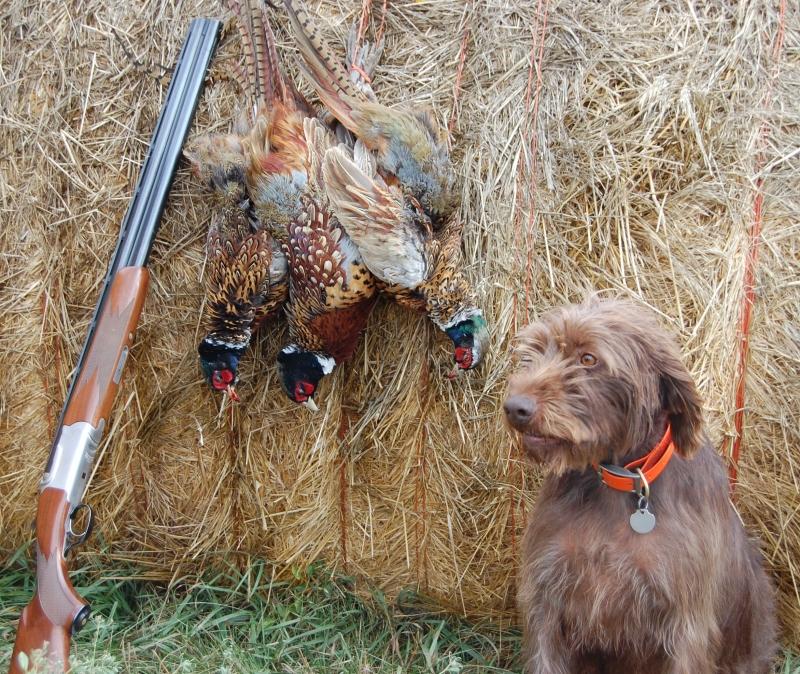
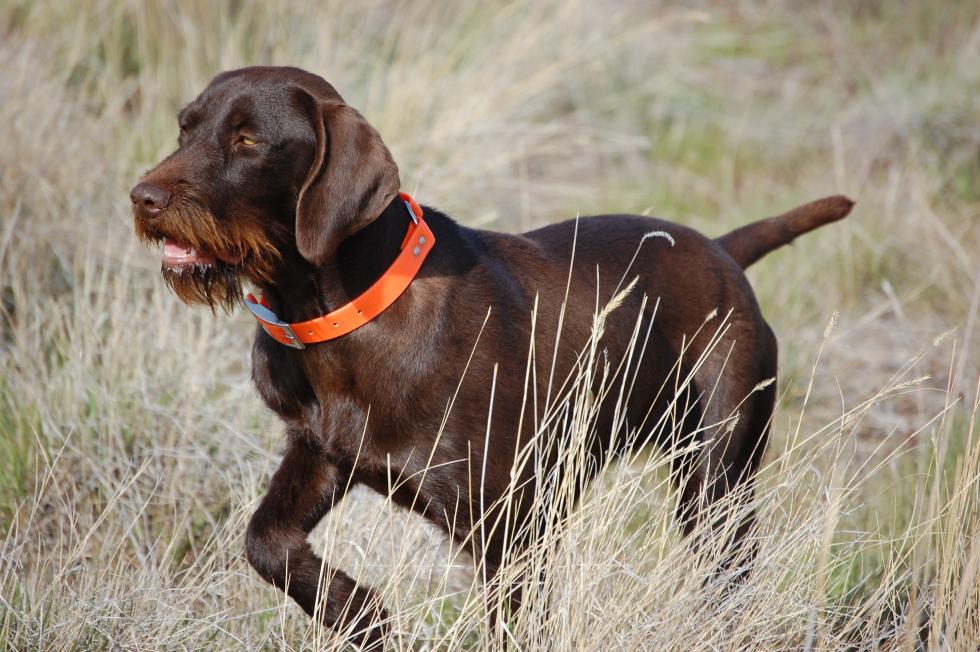
The Pudelpointer is a medium-sized dog standing 22 to 25 inches at the shoulder and weighing between 45 and 70 pounds. Brown is the most common color, though coats range from liver to black, and white markings are allowed on the chest and feet. The ideal coat is harsh, wiry and dense, but variations occur — some dogs are smooth coated while others carry a long, wooly coat. All Pudelpointers, however, should show pronounced eyebrows and a whiskered muzzle. The tail is docked to about two-thirds of its original length. These are clean dogs that shed very little and need only a modest amount of maintenance.
Connect With Us
Follow Highlife Pudelpointers for news and photos, and learn more about the team behind this site.
Facebook Website Designed by James Web Design